
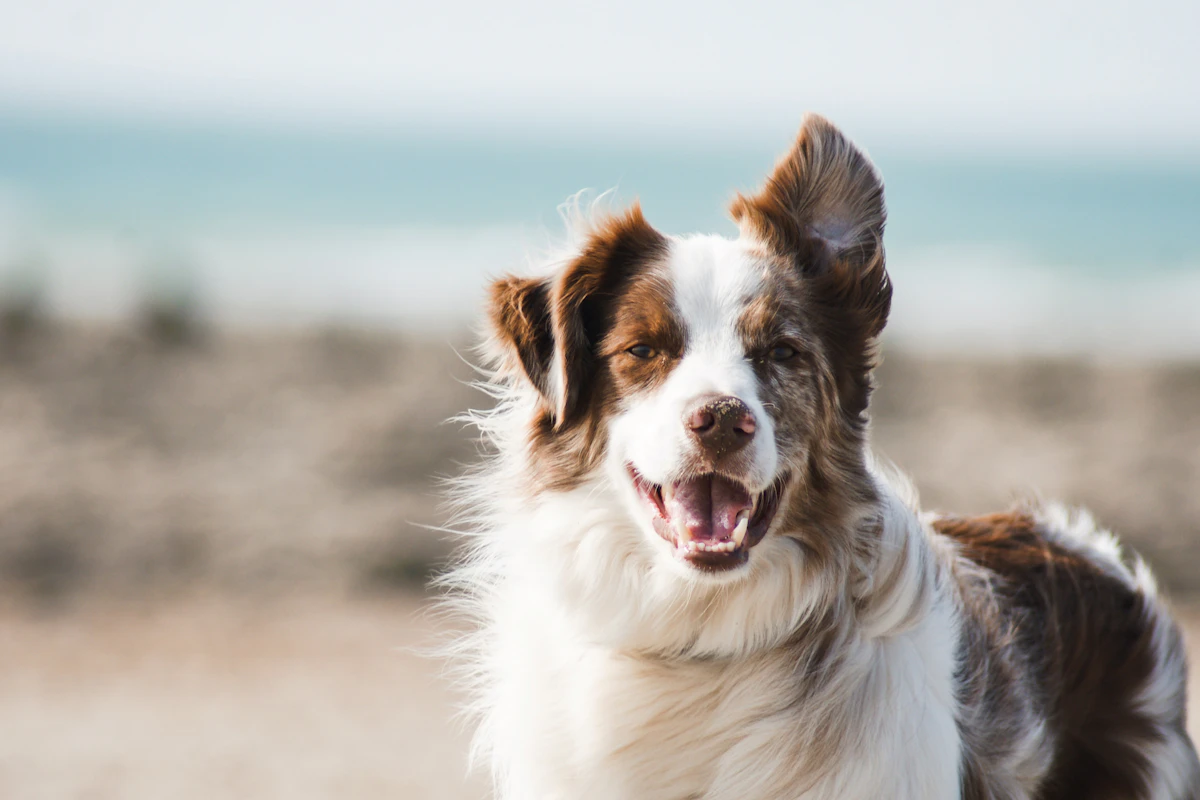
It is never too late to socialize a dog
A common myth is that socialization is only for puppies. It is true that puppies have a critical early window, but an adult dog can absolutely learn to feel more comfortable around people, dogs, traffic, and new places. The difference is that adults often arrive with already-formed fears, so the pace must be gentler and the focus must be on changing feelings, not just behaviour.
Adult dogs go through "re-socialization" for many reasons: a rescue who missed out on experiences, a pandemic-era puppy who never saw the world, or a dog whose confidence was dented by a bad encounter. In every case the job is the same — slowly and safely build positive associations with the things that currently scare or over-excite them.
First, check the dog's baseline
Before you plan, understand where your dog actually struggles:
- People: strangers, men, children, people in uniform or with hats?
- Dogs: all dogs, or specific ones (size, breed, off-lead)?
- Places and things: roads, traffic, the vet, new rooms, loud noises, being handled?
- Energy state: does the fear show as hiding, barking, trembling, or lunging?
The most important principle: you work below the threshold. If your dog is already scared, you are outside their comfort zone and learning stops. Find the distance and intensity where your dog is calm, and build from there.
Your safe-start plan
Step 1: Choose low-risk experiences
Start with what you know your dog handles fine. If your dog is neutral around one calm, well-mannered friend, deepen that before adding strangers. The goal is lots of easy wins early to build your dog's (and your own) confidence.
Step 2: Control the meeting
For new people, let the stranger be calm, low-key, and ignore the dog at first. Have them drop treats at a distance rather than reaching over the dog's head. If the dog chooses to approach, great — interactions are always on the dog's terms.
Step 3: Pair scary with good
When your dog calmly notices the thing they fear, mark and reward. If a passing dog stays calm, that is a moment to reward. You are teaching that the scary thing happening safely predicts treats. The calm, distant moments are your teaching moments — not the panicked ones.
Step 4: Work in tiny steps
Every new step should be barely harder than the last. Ten steps closer to the park bench matters more than one giant leap across a crowded square. Reward thoroughly at each new level before advancing, and always end a session on a success.
Step 5: Be kind about the limits
Some dogs will never love children, strangers, or dog parks — and they do not have to. Calm neutrality is a fully successful outcome. Re-socialization aims for a comfortable, safe dog, not a social butterfly.
Common mistakes to avoid
- Flooding the dog. Forcing your dog to sit in the middle of everything until they "get used to it" usually deepens fear.
- Pushing past licking, yawning, or stiff body language. These are stress signals from your dog saying "too much". Stop earlier next time.
- Rewarding panic. If you only treat when your dog is trembling, you can accidentally reward the fear. Reward the calm moments, not the panic.
- Rushing because "my dog looks fine now". Confidence needs time and real-world repetition, not just one good afternoon.
Recommended gear
- High-value treats — rewards strong enough to matter to a stressed dog.
- Comfortable harness and lead — gentle control while you manage distance.
- Long line — safe, gradual exposure to new places and encounters.
Realistic timeline
Adult re-socialization is measured in months, not days. You should see small wins within weeks — a crowded street tolerated, a loud noise met with a glance. Steady, patient progress over 3–6 months can transform a fearful adult dog's comfort level. Some dogs keep certain limitations forever, and that is fine.
Frequently asked questions
Is re-socialization ever hopeless? No, but it takes honesty. A severely traumatised or genetically nervous dog may reach a comfortable, calm baseline rather than loving every situation. That is not failure — a calm, safe dog is a genuine success.
Should I use a trainer? For a dog with real fear or reactivity, yes — a qualified, force-free professional can build a safe plan, judge distance, and prevent mistakes that stall progress. It is the fastest, safest route to a confident dog.
Can I do this by just exposing the dog to more of the world? Barely-changed exposure is not re-socialization. Structured exposure — below threshold, rewarded, on the dog's terms — is what actually changes feelings. The goal is positive association, not accumulation of experiences.
When to get help
If your dog lunges, growls, snaps, or is genuinely distressed around people, dogs, or places, work with a qualified, force-free behaviour professional right away — do not wait for it to pass. Re-socialization is most successful when the foundation is set professionally and patiently.
This guide contains affiliate links. Purchases made through these links support this site at no extra cost to you. All methods are force-free and grounded in reward-based training.